
Archive for the ‘What can Dr. Doug do for you?’ Category

Adopt Health and Wellness Strategies for a Happier You by Emily Graham

Friday, August 9th, 2024

Graham
Pixels

Adopt Health and Wellness Strategies for a Happier You

Living in the hustle and bustle of daily life can often leave you feeling drained and unproductive. We often forget to take care of ourselves to keep up with the demands of our lives. This is especially true when it comes to health, both physical and mental. That’s why it’s important to adopt health and wellness strategies that will help you lead a happier life. Today, Dr. Doug Green shares some tips that can help you get started.

Get Sufficient Sleep

Remember that getting enough sleep is essential for both your physical and mental health. Try to get at least seven to eight hours of sleep each night so that you are well-rested for the day
ahead. Additionally, establishing a consistent bedtime routine can help make sure you get good
quality sleep each night. If you find yourself waking up a lot, look into soft, lightweight sheets
made of sustainable materials.

Tidy Up and Rearrange Your Home

Keeping your home tidy, clean, and organized is an important part of maintaining a healthy lifestyle. Rearranging your living space and taking the time to declutter can be beneficial in
improving your mental and physical well-being. A well-organized home can help to reduce
stress levels, boost productivity, and improve the overall quality of life.

Organize Your Medical Records

Keeping your medical files and documents organized is crucial for efficient healthcare
management, especially when you need to share these files with doctors. PDFs are often the
preferred format for sharing documents due to their wide compatibility and secure nature. If you find yourself needing to adjust the file to landscape or portrait to ensure readability, utilizing an online tool to rotate PDF files can be incredibly helpful. After you've rotated the pages to achieve the desired alignment, you can download and share your PDF with healthcare providers. This simple step ensures that your documents are presented in the most accessible
and professional manner, facilitating better communication and care.

Improve Your Diet For Better Health

Eating a balanced and nutritious diet is an important part of living a healthy lifestyle. Making intentional food choices can help you to make the most out of your time and energy. Focusing
on fresh, whole foods like fruits, vegetables, lean proteins, whole grains, and healthy fats can
give you the energy your body needs to stay active and energized. Consider renovating your
kitchen so it's easier to prepare healthy meals. Before reaching out to contractors for quotes,
determine what you can afford and are willing to pay. Make sure to prioritize functionality and
accessibility when planning a renovation. This can include making sure outlets are in the right
places and that cabinets and counters will work alongside your appliances.

Walk More Daily

Taking regular walks has a wealth of health benefits. For starters, walking can help to reduce
stress, increase your energy levels, and improve your overall well-being. Just 20 minutes of
walking each day can do wonders for both body and mind. Incorporating this simple activity into your daily routine can have a lasting positive impact on your mood and physical health. Find ways to get in your walking exercise if you are stretched for time. Even if you are working a lot, you can still get in physical activity by taking the stairs instead of the elevator and going for a walk during your lunch break.

Improve Your Posture

Another way to improve your confidence and your health at the same time is by improving your
posture. Improving your posture
can boost your height by optimizing the alignment of your spine and body. When you stand or sit with correct posture – keeping your shoulders back, spine straight, and head aligned with your body – it allows your vertebrae to stack properly, reducing the compression on spinal discs. This alignment can maximize your natural height potential and prevent conditions like spinal curvature, which may cause a slight loss in height over time.

Additionally, good posture contributes to better skeletal health and muscle flexibility, which can
further support your overall stature.

Care for Your Physical and Mental Health

Health and wellness strategies can help bring joy and balance to your life. Taking the time to
nourish your body with proper nutrition, getting adequate sleep, and getting in regular exercise
are essential for a happy and fulfilled lifestyle. Incorporating these strategies into your routine
will help you lead a healthier and more balanced life.

Emily Graham
Emily is the creator of MightyMoms.net. She believes being a mom is one of the hardest jobs around and wanted to create a support system for moms from all walks of life. On her site, she offers a wide range of info tailored for busy moms — from how to reduce stress to creative ways to spend time together as a family. You can email her at emilygraham@mightymoms.net. She lives in Arizona.

Dr. Doug Green is here to support administrators, teachers, and parents. Feel free to
email doug@drdouggreen.com.

Share this:
Share this page via Email Share this page via Stumble Upon Share this page via Digg this Share this page via Facebook Share this page via Twitter Share this page via Google Plus

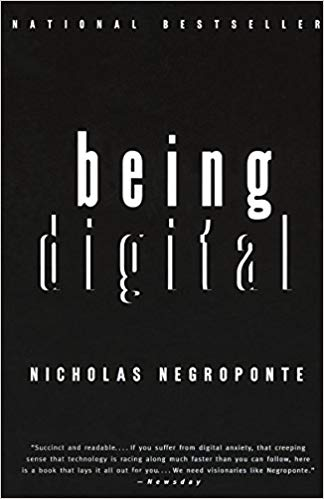
Being Digital by Nicholas Negroponte Twenty Three Years Later

Saturday, February 2nd, 2019
Being Digital

Being Digital by Nicholas Negroponte Twenty Three Years Later – It’s amazing how his vision at the time matches today’s reality. If you are looking for something cool to read, you won’t be disappointed with this classic that is still available online.

Introduction

  • In 1995 Nicholas Negroponte, the founding director of the MIT Media Lab, published Being Digital. While reorganizing my library recently I picked it up and started reading it again. As I read I was amazed at how prescient his thinking was at the time. I felt that he had a very clear vision of where advances in computer technology and the Internet would take us. Much of what he predicted has come to pass while some of what he predicted has yet to happen. If he got anything wrong, I couldn’t find it to any significant degree.

Death of the Videocassette

  • He saw the death of the videocassette and its associated rental businesses. He also saw services like Netflix coming due to the bandwidth of fiber and how it would be a game changer in terms of delivering content with copper serving as a stepping stone. He saw that advertising would be personalized as well. He also foresaw computers that would resemble thick pieces of paper like modern tablet computers.
  • He was sad that most of the research directed at the advance of television was aimed at refining the display and increasing sizes as opposed to improving the artistry of content. He saw no reason not to expect 10,000 lines of resolution. He also predicted that computers and televisions would merge into a single device, which they have for many people as they are no longer dependent on the time of day when they want to watch something. He understood that using a lot of different fonts was a bad idea. In this case, less is more.

As For Schools

  • He saw schools changing to become more like museums and playgrounds where children would assemble ideas and socialize with other children all over the world. While I’ve seen bits of this in some innovative schools, for the most part, we have a way to go to realize this vision.
  • The Internet would create a totally new, global social fabric. With the Internet, schools could spend less time shoving facts into kids’ minds and more time engaging them in designing and building like they do in the maker spaces found in innovative schools. He decried the force-feeding of students’ left brains in schools that diminish the arts and other extracurriculars. Unfortunately, this has only gotten worse thanks to test-based reforms forced on schools by the federal government.

From Bits to Atoms

  • He thought it was amusing that when ink is squeezed on to dead trees bits become atoms again. He saw the then-burgeoning field of multimedia as bridging the gap between science and art. He saw a day when most adults would also be computer literate. He predicted that virtual reality would allow you to put your arms around the Milky Way, swim in the human bloodstream, or visit Alice in Wonderland.
  • He foresaw digital appliances with no edge at all like high-end cellphones and tablets. He saw that size would be driven by the size of pockets and watches. He said the wristwatch would migrate from a timepiece to a mobile command-and-control center as it has on my wrist thanks to my Apple Watch.
Share this:
Share this page via Email Share this page via Stumble Upon Share this page via Digg this Share this page via Facebook Share this page via Twitter Share this page via Google Plus

Beyond Books: Fun-Fueled Learning Techniques for Kids by Emily Graham

Monday, October 14th, 2024

Kids
Freepik
Beyond Books: Fun-Fueled Learning Techniques for Kids by Emily Graham

Every parent dreams of their child embracing the joy of learning with open arms
and a curious heart. To turn this dream into reality, creative approaches are
essential in making education enjoyable and engaging. By integrating fun into
educational activities, parents can ignite a passion for learning that lasts a
lifetime. These methods enrich a child's academic journey and strengthen the
bond between parent and child through shared discovery.

Setting Goals Together for Progress and Fun

Engage your child in setting specific, achievable learning goals to foster a sense
of ownership and excitement in their educational journey. Discuss areas they're
keen to improve, from increasing their reading volume to acquiring a new skill,
and break these larger ambitions into smaller, manageable tasks. Celebrate each
achievement to maintain high spirits and motivation. This cooperative approach
transforms learning into an enjoyable shared quest, instilling in your child a sense
of purpose and accomplishment.

Group Learning for a Fun, Social Experience

Transform learning into a communal activity involving peers or family members,
making the experience more engaging and interactive. Organize study groups,
family trivia nights, or collaborative projects, introducing healthy competition and
social interaction into the learning process. This collective environment makes
learning fun and allows children to explore different viewpoints and build social
skills.

Let Your Passion for Learning Be an Example

Show your child the thrill of learning by engaging in new subjects and displaying
genuine enthusiasm for knowledge. Pursuing an online accounting degree
enhances your business acumen and teaches you crucial skills like reading
financial statements, auditing, and applying generally accepted accounting
principles. This approach demonstrates lifelong learning and highlights how
education can open new doors. The flexibility of earning a degree online also
exemplifies how learning can adapt to fit your life, making it a practical choice for
busy parents.

Create Time for Reading Every Day

Incorporate daily reading into your routine to instill a lasting appreciation for
literature in your child. Choose a regular time for this activity, such as after dinner
or before bedtime, and encourage your child to select books that pique their
interest. This practice not only improves comprehension and vocabulary but also
stimulates the imagination. Engage in reading and discussing the content to
deepen their understanding and enhance the connection to the material.

Hands-On Activities to Spark Creativity

Use hands-on activities like arts and crafts, construction projects, or science
experiments to make learning more tangible and engaging. These interactive
experiences minimize passive screen time and encourage active participation,
enhancing understanding of complex concepts. Whether it's using baking to
explain measurements or constructing models to discuss geometry, these
creative endeavors foster critical thinking and learning joy. Such activities make
educational content memorable by connecting it to real-world applications.

Explore Museums, Nature Trails, and Cultural Events

Enhance your child's education with trips to museums, science centers, and
nature trails that offer hands-on learning about various subjects. These outings
expose them to new ideas and cultures and provide exciting, real-world
educational experiences. Observing a prehistoric fossil at a museum or exploring
local flora and fauna on a trail, such experiences deepen understanding and
inspire ongoing curiosity.
These adventures encourage a lifelong love of learning
by connecting classroom lessons to the broader world.

Ask Thoughtful Questions to Foster Critical Thinking

Encourage your child's critical thinking and imagination by asking open-ended
questions that require thoughtful responses. Avoid simple yes-or-no inquiries;
ask how they might solve a problem or predict an outcome in a story. These
discussions promote more profound engagement with learning materials and
enhance reasoning abilities. By challenging your child to consider various
perspectives and solutions, you help them develop essential analytical skills.
Fostering a love of learning in children is a rewarding endeavor that goes beyond
traditional schooling. When parents introduce innovative and enjoyable learning
strategies, they help their children see the endless possibilities that knowledge
can bring. This prepares them for academic success and instills a lifelong
curiosity and a robust love for discovery. Ultimately, these experiences enrich the
family's dynamic and contribute to a child's growth and happiness.

Emily Graham
Emily is the creator of MightyMoms.net. She believes being a mom is one of the hardest jobs around and wanted to create a support system for moms from all walks of life. On her site, she offers a wide range of info tailored for busy moms — from how to reduce stress to creative ways to spend time together as a family. You can email her at emilygraham@mightymoms.net. She lives in Arizona.

Share this:
Share this page via Email Share this page via Stumble Upon Share this page via Digg this Share this page via Facebook Share this page via Twitter Share this page via Google Plus

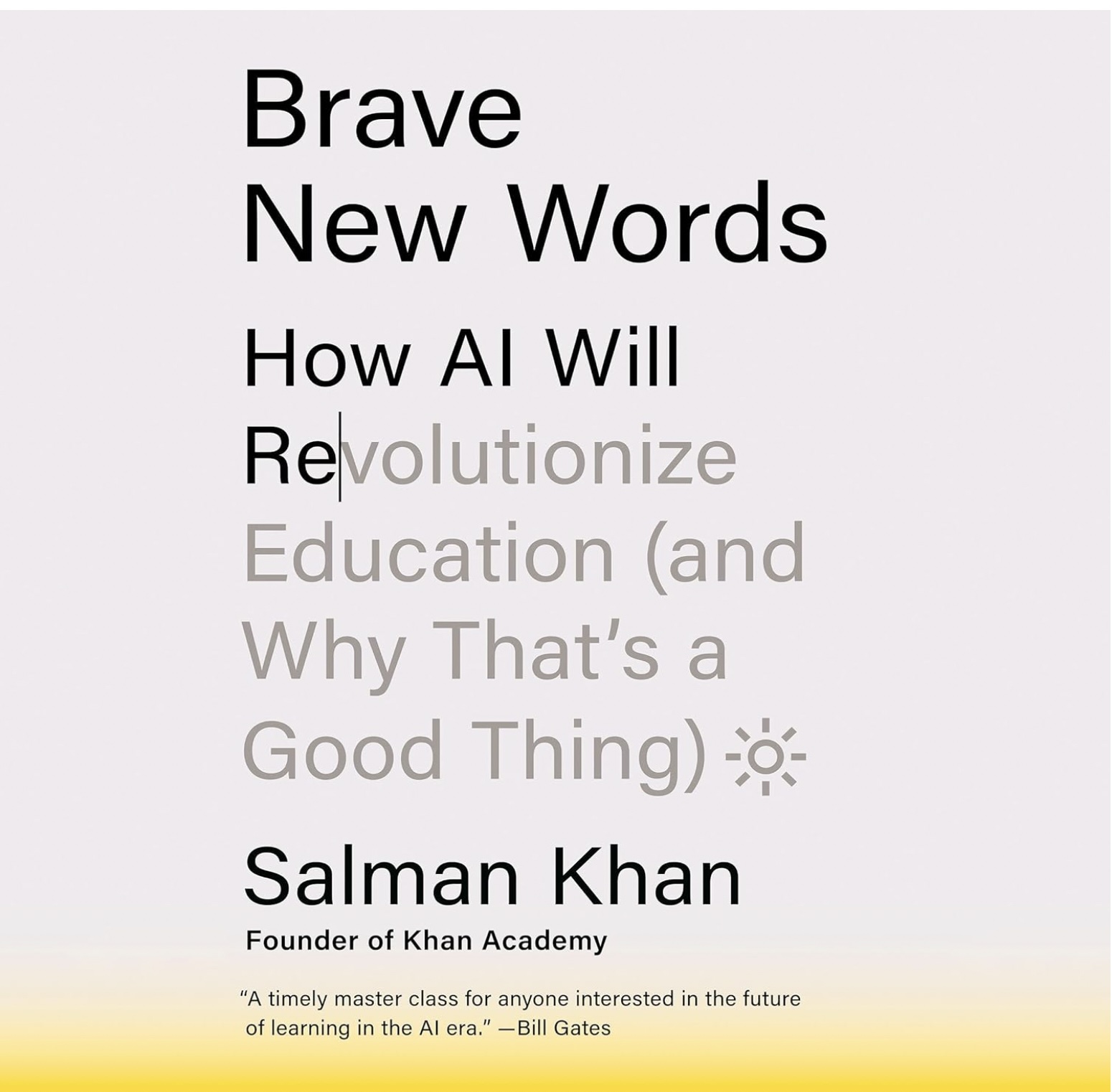
Brave New Words: How AI Will Revolutionize Education (and Why That’s a Good Thing) by Salman Khan

Friday, August 23rd, 2024

Book
Brave New Words: How AI Will Revolutionize Education (and Why That’s a Good Thing) by Salman Khan paints a rosy picture of how AI can be used to provide personalized tutoring and assessment for every student. It can also help parents as they monitor and encourage their children to focus on important learning. While I hope that Sal is right to be positive, this book reads a bit like an advertisement for Kahnmigo, his tutoring product. None the less, it is a must read for parents, teachers, and school leaders.

Introduction: Let’s Write a New Story Together

  • Sal and his team were given privileged access to ChatGPT-4 before is was available to the public. It’s clear that Sal has a bias that AI can be beneficial for education at all levels and he challenged his team to figure out how to use AI to improve the offerings of The Khan Academy. While many school districts were soon to ban ChatGPT-4 and other AI systems, Sal wanted to figure out how to make it a personal tutor. A guiding principal was to be careful, but to not be afraid of change.

1. Rise of the AI Tutor

  • Most students that go to college don’t even place into college level math. English Language Arts placements aren’t much better and writing scores are the worst. What theses students need is specialized feedback that allows for mastery learning. What is needed is an intimate relationship with a tutor who has an in-depth sense of what they know.
  • Using the power of ChatGPT, Khan and his team created Khanmigo. It’s a personal AI tutor that can ask the kind of leading questions that a real tutor can ask. It’s designed to meet students at their learning edge also known as the zone of proximal development. It pushes the student to think deeper, make students more comfortable, and be available 24/7.

2. Giving Voice to the Social Sciences

  • Cheating is less of an issue if everyone is using AI to help them write. It’s a first pass tool that isn’t good at originality. It requires students to rethink the way they write. In essence, students have to learn how to collaborate with AI.
  • Next we have examples of how Khanmigo talks to the students and how they can use Khanmigo to talk to famous historical figures like George Washington and Harriet Tubman. It can also talk about abstract concepts like the 14th Amendment. In each case the person or thing they are talking to pushes them to think deeper rather than giving them the answer.

3. Empowering the Next Innovators

  • This chapter contains examples of text that Kahnmigo generates from specific prompts. This will give you a good idea of what it can do. Keep in mind that Kahnmigo is built on ChatGPT-4, which makes it more powerful.
  • The goal here is to develop Kahnmigo versions of every course. This can be a big help for poor schools that don’t offer courses like algebra 2, chemistry, physics, and calculus. Such schools also lack enough students to fill these classes. Without access to these courses in high school, students won’t be able to take on a STEM major in college. Kahnmigo, with permission, can also send emails and texts to students, parents, and teachers in order to hold students more accountable. This is an example of proactive intervention.
  • By early 2024, Kahnmigo was being piloted by over 30,000 students and teachers with successful feedback. It is also important to note that the product stresses how subjects work together making it an interdisciplinary tool.
Share this:
Share this page via Email Share this page via Stumble Upon Share this page via Digg this Share this page via Facebook Share this page via Twitter Share this page via Google Plus

Building Friendship Skills at Home to Support Your Child’s School Success by Emily Graham

Wednesday, June 3rd, 2026

Graham
Image via Pexels

Building Friendship Skills at Home to Support Your Child’s School Success

For busy parents juggling work, schedules, and school logistics, it can be unsettling to watch a child struggle socially, hanging back in groups, getting pulled into repeated conflict, or coming home quiet after being left out. These peer relationship struggles can make making friends at school feel like a daily test, even when everything else seems on track. The hard part is that friendship skills don’t always “click” on their own, and children often need calm, consistent support before they can use them with peers. With early friendship development at home, parents helping children can make social moments at school feel more doable.

Understanding the Friendship Skills Foundation

At the center of friendship building are three basics: conversation skills, sharing, and inclusion. Conversation skills mean starting, listening, taking turns, and responding so a peer feels heard. Sharing is letting others use space, time, or materials fairly, and inclusion is noticing who is left out and making room for them, which supports building positive relationships.

These skills matter because school runs on small social moments: partner work, lunch tables, and group games. When kids can connect, cooperate, and help others feel accepted, they avoid more conflict and feel safer taking academic risks.

Picture recess: one child asks, “Want to play?” then listens, offers a turn with the ball, and invites a classmate standing alone. That simple sequence is effective communication plus sharing plus inclusion, and it creates a “you belong” signal. With the basics clear, playful visual prompts and role-play make practice stick fast.

Turn Friendship Scenarios Into Anime-Style Scenes to Talk Through

Once you know the core building blocks of friendship, it helps to give kids a playful way to see what those skills look like in action. Parents and children can use an AI anime generator to turn everyday friendship lessons into fun visual stories you can talk through together. With tools like the AI anime art generator by Adobe Firefly, kids can try simple text prompts, anime effects, and style controls to design characters or scenes that show kindness, teamwork, and inclusion, like a new student being welcomed into a group project or two classmates figuring out how to take turns. From there, you can build shared comics, quick storyboards, or single anime-style images and use them as conversation starters: What could the character say next? How do they show they’re listening? How do they share an idea without taking over?

Weekly Friendship-Skills Rituals at Home

These small practices turn one-off talks into steady skill-building, so your child knows what to do when school friendships get tricky. Keep them light, repeatable, and focused on progress, not perfection.

Two-Minute Connection Check-In

  • What it is: Ask two questions that build the quality of conversation about school and classmates.
  • How often: Daily
  • Why it helps: Kids practice naming feelings and noticing social cues.
  • Role-Play One Social Moment

  • What it is: Practice a greeting, joining a game, or disagreeing politely for one minute.
  • How often: 3 times weekly
  • Why it helps: Rehearsal lowers anxiety and boosts follow-through at school.
  • Model the Words You Want to Hear

  • What it is: Say aloud how you invite, compromise, apologize, and thank others.
  • How often: Daily
  • Why it helps: Kids learn by observing calm, respectful language in real life.
  • Effort-First Praise

  • What it is: Notice brave tries, not wins, and celebrate effort over outcome.
  • How often: Per milestone
  • Why it helps: Trying again feels safer after an awkward moment.
  • Post-Play Debrief

  • What it is: After a hangout, ask what worked and one thing to try next.
  • How often: After playdates or clubs
  • Why it helps: Reflection turns experiences into usable friendship strategies.
  • Friendship Skills Q&A: Parents Ask Most

    Q: What should I do after my child has a fight with a friend at school?
    A:
    Start by listening for feelings and facts without taking sides. Help your child name what they wanted, what went wrong, and one respectful repair step, such as a short apology or an invitation to try again at recess. If emotions are still high, pause and retry the conversation later so it stays calm.

    Q: How can I support a shy child who wants friends but hangs back?
    A:
    Give them small, predictable social goals like saying “hi” to one classmate or asking to join for two minutes. Empowering shy child strategies often start with building confidence through practice in low-pressure social situations. Arrange short playtimes with one kind peer instead of big groups.

    Q: When should I step in with the teacher or school counselor?
    A:
    Reach out when conflict repeats, your child seems fearful about school, or there is exclusion, teasing, or physical behavior. Share concrete examples and ask what adults are noticing in class and on the playground. Collaborate on one simple plan to practice and reinforce.

    Q: How do I keep from “fixing it” for my child?
    A:
    Offer coaching, not rescuing: “What could you say?” and “What’s your backup plan?” Let them try, then debrief what happened and adjust. This builds problem-solving and reduces the pressure to be perfect.

    Q: What resources help if friendship problems keep coming back?
    A:
    Ask the school about social skills groups, lunch bunches, peer mentoring, or counseling support. At home, look for library books that model friendship scripts and consider a pediatrician consult if anxiety, impulsivity, or mood is fueling the pattern. Consistency matters more than finding a single magic tool.

    Small Weekly Habits That Grow Kids’ Friendship Skills

    Friendships can wobble when kids face conflict, shyness, or shifting social groups, and it’s easy for families to feel unsure how much to step in. The steadier path is a mindset of reflective parenting and consistent parental support, guiding, listening, and practicing skills over time rather than trying to fix everything in one moment. With that ongoing friendship skills practice, kids build confidence in reading situations, repairing missteps, and seeking out positive peer relationships. Consistent practice at home helps kids build friendships that last at school. This week, choose one simple friendship practice to repeat, one conversation starter, one sharing routine, or one inclusion check-in, and keep it light and predictable. Encouraging social development this way supports long-term resilience, belonging, and school success.

    Emily Graham

  • Emily is the creator of MightyMoms.net. She believes being a mom is one of the hardest jobs around and wanted to create a support system for moms from all walks of life. On her site, she offers a wide range of info tailored for busy moms — from how to reduce stress to creative ways to spend time together as a family. You can email her at emilygraham@mightymoms.net. She lives in Arizona.
  • Share this:
    Share this page via Email Share this page via Stumble Upon Share this page via Digg this Share this page via Facebook Share this page via Twitter Share this page via Google Plus

    Crafting Financial Wisdom: A Parent’s Guide to Raising Money-Savvy Kids

    Tuesday, March 5th, 2024

    finance
    Image: Freepik

    Crafting Financial Wisdom: A Parent’s Guide to Raising Money-Savvy Kids by Emily Graham

    In an era where financial landscapes are ever-evolving, the importance of instilling robust money management skills in the younger generation cannot be overstated. For parents, this task presents both a unique challenge and a profound opportunity. A structured approach to teaching financial literacy can empower children to navigate their financial futures with confidence and acumen. This guide aims to offer parents actionable strategies for embedding essential financial principles in their children, ensuring they are well-equipped to make wise financial decisions throughout their lives.

    Visit Dr. Doug Green and dive into professional development resources and insights for administrators, teachers, and parents.

    Understanding Basics

    The journey to financial wisdom begins with a solid grasp of the basics. Introduce children to the principles of budgeting and saving from an early age. Teaching them to differentiate between needs and wants, how to save a portion of any money they receive, and the basics of creating a simple budget, lays the groundwork for responsible financial behavior. These initial steps are crucial in building a framework that supports more complex financial decisions in the future.

    Entrepreneurial Spirit

    Encouraging an entrepreneurial spirit in children not only nurtures creativity and problem-solving but also exposes them to the essentials of business management, such as cost control, profit analysis, and the significance of customer satisfaction. Supporting them in establishing small ventures, like a lemonade stand or an online store, serves as a hands-on method for applying these concepts. Introducing them to marketing basics, especially the creation of a text logo using an online logo maker, allows them to experiment with various designs by selecting icons, adding text, and adjusting fonts and colors, effectively merging artistic expression with fundamental business principles.

    The Value of Patience

    In a world accustomed to instant gratification, teaching patience and deferred gratification is paramount. Encourage your children to save for larger purchases rather than seeking immediate satisfaction through impulse buys. This can be facilitated through goal-setting and saving strategies, demonstrating how patience can lead to more significant rewards. This lesson is instrumental in curbing impulsive spending and fostering a mindset that values careful consideration and planning.

    Earning Independence

    Encouraging children to earn their money through chores, part-time jobs, or entrepreneurial ventures teaches them the value of hard work and money. This independence in earning and managing their own finances instills a sense of responsibility and pride in their achievements. It also provides practical experience with budgeting and prioritizing spending, essential skills for their future financial independence.

    Navigating Debt

    An understanding of debt and its potential pitfalls is a critical component of financial literacy. Educate your children about the concept of credit, the importance of living within one’s means, and the long-term impact of taking on debt. Discussions should cover how debt works, the significance of interest rates, and the difference between good debt (such as education loans) and bad debt (like credit card debt). This knowledge is vital in preventing financial missteps in adulthood.

    Investing in the Future

    Introducing the concept of investments and the power of compound interest can inspire a forward-thinking approach to money. Simple lessons on saving accounts, stocks, bonds, and the principle of risk versus reward can demystify the world of investing. Teaching children about the importance of saving for long-term goals, such as education or retirement, helps them understand the role of investments in achieving financial security.

    Financial Ethics and Generosity

    Beyond the mechanics of money management, it’s important to discuss the ethical aspects of finances with your children. This includes understanding the value of honesty in financial dealings, the importance of generosity, and how to be financially responsible in a way that aligns with one’s values. Encouraging children to donate to charity or volunteer their time teaches them the importance of giving back and helps them develop empathy and a sense of social responsibility.

    Cultivating financial literacy in children is an investment in their future. By tackling these key areas, parents can lay a comprehensive foundation for their children’s financial education, preparing them for a lifetime of informed, ethical, and effective money management. The lessons instilled today will not only contribute to their personal success but also to their ability to contribute positively to society. Engaging children in ongoing conversations about finances, encouraging practical experiences, and leading by example are all strategies that can reinforce these vital life skills.

    Looking forward to hearing your thoughts on the piece.

    Best,
    Emily Graham
    Email: emilygraham@mightymoms.net
    Website: mightymoms.net

    Share this:
    Share this page via Email Share this page via Stumble Upon Share this page via Digg this Share this page via Facebook Share this page via Twitter Share this page via Google Plus

    Creating Lasting Confidence by Emily Graham

    Saturday, June 4th, 2022

    Confidence
    Creating Lasting Confidence by Emily Graham offers the kind of advice we all need to live a successful and happy life. This article is also loaded with links to lots more free advice and additional detail.

    Introduction

    • Throughout the past two years, many people have found themselves becoming increasingly isolated and unsure of themselves due to changing conditions in the world amid the global pandemic. As the world begins to return to normal, you may feel insecure about returning to your social life due to the year-long hiatus from school, your workplace, and just about every other venue. Luckily, many lifestyle changes and habits can help build your confidence and ensure you’re ready to return to the world as your best self.
    • Taking care of your body and mind goes a long way toward promoting confidence in all aspects of life. Dr. Doug Green’s blog shares a few ways to help you stay healthy and confident.

    Start a Fitness Routine

    • Countless studies illustrate the positive correlation between exercise and confidence. You don’t have to become a professional athlete to gain these benefits, however. Here are some examples of ways you can get started with fitness, no matter your current level.
    • Try Jazzercise. This is a fun way to get exercise, and it’s a great start if you’re a beginner or you want to exercise with others.
    • Join a gym. A wide variety of gyms offer different services and equipment. You can compare gyms in the area through ranked lists.
    • Take yoga classes. Yoga offers a range of physical as well as mental benefits, making it a great all-around confidence booster.

    Practice Mindfulness

    • Incorporating a mindfulness meditation practice into your life can help you remove negative thoughts that contribute to low self-esteem. It also helps to practice in a space free of negative energy. Mindfulness meditation encourages you to see what’s right in front of you instead of worrying about past or future events that are out of your control. This practice can be done in many ways, each of which can help you to become more confident in yourself.

    Practice Socializing at Work

    • Many people feel they’ve lost their confidence at work due to changing work conditions. The Pew Research Center has found that during the last half of 2020, an estimated 71% of Americans were working from home—a 50% increase from before the pandemic began.
    • One way you can take advantage of this situation to help you build confidence is to practice socializing and getting along with your coworkers and teammates. Taking a chance and talking to someone new or finding common ground with a coworker you’ve previously had conflicts with can go a long way toward improving your own self-confidence. Try using techniques such as cooperative communication or avoiding generalizing to get along with all your coworkers.

    Start Your Own Business

    • One of the most confidence-inspiring things you can accomplish is planning and starting your own business. There are a host of steps to take to get a business off the ground, but one thing you should definitely consider is a cloud-based invoicing solution when the time comes. You’ll be able to provide your clients with digital, customizable invoices which will make everyone’s life easier.

    Confidence That Lasts

    • With just a few small lifestyle changes and practices, you can discover your best qualities and gain lasting confidence. No matter where you are in your life, there’s always something new you can discover about yourself that you can take pride in.

    Emily Graham

    • Emily is the creator of MightyMoms.Net. She believes being a mom is one of the hardest jobs around and wanted to create a support system for moms from all walks of life. On her site, she offers a wide range of info tailored for busy moms — from how to reduce stress to creative ways to spend time together as a family. You can email her at emilygraham@mightymoms.net. She lives in Arizona.

    Dr. Doug Green

    • Dr. Doug Green provides byte-sized professional development for administrators, teachers, and parents. For more information, please visit his website or contact him today at Doug@DrDougGreen.com.
    Share this:
    Share this page via Email Share this page via Stumble Upon Share this page via Digg this Share this page via Facebook Share this page via Twitter Share this page via Google Plus

    Creative After-School Ideas to Spark Kids’ Growth Without Stress by Emily Graham

    Wednesday, May 6th, 2026

    STEM

    Creative After-School Ideas to Spark Kids’ Growth Without Stress by Emily Graham

    offers great after school advice of any parent or care giver who is at home when kids arrive or before dinner. Thanks Emily.

    Busy parents seeking after-school activities and educators supporting families often hit the
    same wall: plenty of after-school engagement options exist, but few feel like creative enrichment
    for children without creating new logistics headaches. Between family scheduling struggles,
    limited program fit, and the real mix of child development challenges in any group, it’s easy for
    afternoons to turn into a tug-of-war between “productive” and “peaceful.” The result is a routine
    that looks full on paper yet still leaves kids under-stimulated or overwhelmed. A calmer, more
    flexible approach can still support creativity and meaningful growth.

    Understanding Alternative Learning After School

    When typical programs do not fit, alternative learning simply means choosing experiences that
    still teach, but in a different shape. It can be maker time, outdoor challenges, family projects, or
    student-led clubs that feel natural to your child. The key idea behind creative learning is that
    kids grow when learning stays active, playful, and connected to real interests.

    This matters because many families need options that do not depend on perfect schedules,
    fees, or limited seats. Demand is huge, with 30 million school-aged children needing care and
    enrichment while far fewer are enrolled. Flexible choices can still build focus, communication,
    and confidence without adding pressure.

    Think of it like swapping a fixed menu for a buffet. One child thrives in a quiet “tinker corner” and another lights up leading a mini team challenge. Educators can share simple prompts, and parents can pick what fits the day. A low-prep sticker design craft is a great place to start.

    Make Custom Stickers: A One-Week Art-and-Tech Project

    When kids get the chance to learn in unconventional ways, they often shine brightest in projects
    that feel personal and playful. Designing and creating their own stickers is a simple, hands-on after-school activity that sparks creativity and makes room for self-expression, whether they’re turning drawings into mini “collections,” celebrating a favorite fandom, or capturing your family’s inside jokes. It can also grow into something bigger: a themed sticker club with friends, or even a tiny entrepreneurial project where they design sets for classmates or special occasions. If you’re intimidated by the “tech” side of the art, it’s easy with this custom sticker maker that
    incorporates templates, graphics, text, and straightforward drag-and-drop editing to create
    printable designs.

    Pick Outside-the-Box Activities and Start in 15 Minutes

    When kids get a short menu of options (instead of an open-ended “What do you want to do?”),
    they’re more likely to start, and stick with it. Use the ideas below like a cafeteria line: pick one
    for today, then rotate.

  • 1. Turn a hallway into a movement math game: Tape a big sheet of paper to the wall,
    add numbers, and give your child sticky notes to “vote” or “build” answers by physically
    moving them into place. A quick, low-prep movement-oriented math activity works because kids stay engaged with their whole body, not just a worksheet. Setup plan: paper + tape + sticky notes + marker, then a timer for two 6-minute rounds.
  • 2. Do a “real-world STEM” mini build: Pick one household problem and prototype a fix,
    like a paper bridge for toy cars, a spill-proof snack container, or a shade structure for a
    plant. The best STEM exploration for children is hands-on so kids can test, tweak, and try again without a big lecture. Setup plan: a “build bin” (tape, cardboard, scissors, string)
    plus a note card that says: Goal, Materials, Test, Improve.
  • 3. Start a tiny neighborhood service sprint: Choose one task that can be finished in
    20–30 minutes: assemble hygiene kits, write thank-you notes to school staff, or pick up
    litter on one block with gloves and a bag. Youth volunteering opportunities work better
    when they’re specific and time-boxed, kids feel the win quickly. Setup plan: text a friend
    to join once a week and keep a simple “service log” page your child can decorate with
    their own sticker labels.
  • 4. Try “museum-at-home” creative arts education: Give kids three prompts, observe,
    copy, remix, using any image (book art, a poster, family photo). They spend 5 minutes
    noticing details, 5 minutes sketching the main shapes, and 5 minutes remixing it into
    their style. Setup plan: one pencil, one marker, and one “limited palette” rule (only two
    colors) to reduce decision overload.
  • 5. Launch a kid-sized micro-business test (no money needed): Help your child offer
    something small: a sticker pack for locker labels, pet-sitting flyers, or “desk reset” help
    for a parent’s home office. Keep it educator-friendly by using existing curriculum planning ideas at home too, price, cost, and customer feedback can be a quick mini- lesson, not an extra burden. Setup plan: 10 minutes to define the offer, 5 minutes to make one simple sign, then one “customer interview” at dinner.
  • 6. Make an “after-school choice board” that protects homework time: Create a 2×2
    grid: Create, Build, Help, Earn, and list two activities under each (stickers count as
    Create + Earn if they sell or gift them. Decide in advance: one square per day, plus a
    clear stop time so evenings don’t spiral. This tiny routine also makes it easier to talk
    about cost, safety, age fit, and how much supervision each choice really needs.
  • After-School Ideas Parents Ask About Most

    Q: What should I look for when choosing an after-school program or activity?
    A:
    Start with three filters: your child’s interest, the adult-to-kid supervision reality, and the “gets us home calm” factor. Ask, “Will this feel doable on a tired Tuesday?” If you are comparing programs, choose the one that clearly states routines, behavior expectations, and how they communicate with families.

    Q: How can I keep kids safe if I’m juggling work and dinner?
    A:
    Pick activities that match your supervision bandwidth, not your ideals. Use a simple check-in
    routine: start time, location, and a 5-minute “show me what you made” at the end. If tech is
    involved, keep devices in shared spaces and use a visible timer.

    Q: What activities actually fit different age groups without causing meltdowns?
    A:
    For younger kids, prioritize short bursts and clear steps, like build, test, tweak. For older kids, add choice and ownership, like planning a mini service project or a small “offer” they can improve weekly. When in doubt, scale down materials and scale up structure.

    Q: How do I manage costs without sacrificing quality?
    A:
    Treat cost like a design constraint and set a monthly cap before you browse. Free or low-cost
    options can still be high-impact, especially when they build skills schools care about as the
    average ACT score has dropped to 19.8. Libraries, recycled supplies, and swaps with other families often cover most needs.

    Q: When should I prioritize homework versus hobbies?
    A:
    Use a predictable order: snack, 10 to 20 minutes of movement or making, then homework,
    then a short wrap-up choice. That “starter” activity can reduce resistance and make work time
    smoother. If grades are slipping, shorten hobby time but keep it daily to protect motivation.

    Grow Confidence With One Low-Stress Creative After-School Choice

    After school can feel like a tug-of-war between keeping kids productive and protecting their
    downtime, especially when programs, costs, and schedules compete for attention. The steady
    path is a simple, low-pressure mindset: keep motivating parental involvement, focus on
    implementing creative learning through play and practice, and stay open to exploring diverse
    activities as interests change. When families and schools take this approach, supporting child
    growth through activities becomes more consistent, and building children's confidence starts to
    show up in small, everyday wins. One small, consistent activity beats a packed schedule every
    time. Choose one new activity this week and watch how it evolves with your child’s energy and
    curiosity. That’s how skills, resilience, and connection grow in ways that last.

    Emily Graham

    Emily is the creator of MightyMoms.net. She believes being a mom is one of the hardest jobs around and wanted to create a support system for moms from all walks of life. On her site, she offers a wide range of info tailored for busy moms — from how to reduce stress to creative ways to spend time together as a family. You can email her at emilygraham@mightymoms.net. She lives in Arizona.

    Share this:
    Share this page via Email Share this page via Stumble Upon Share this page via Digg this Share this page via Facebook Share this page via Twitter Share this page via Google Plus

    Data Science for Non-Techies: Career Skills with Practical Examples (A Beginner’s Guide to Big Data, Analytics, and Insights by Maxen Ford

    Tuesday, July 15th, 2025

    Data Science
    Data Science for Non-Techies: Career Skills with Practical Examples (A Beginner’s Guide to Big Data, Analytics, and Insights by Maxen Ford gives an overview of the basic concepts and skills used in data science. It offers great encouragement for people without high technical skills to learn and use data skills to tell stories that can drive important decisions in any organization. Be sure to grab a copy for your professional development library.

    Introduction

    • You don’t need to be a programmer, a mathematician, or a tech genius to understand data science. The goal of this book is to make the world of data available to anyone willing to invest some time. The ability to understand and work with data is no longer optional. Here is your chance to boost your career, solve problems, and unlock new opportunities.

    1. why Data Science Matters in Today’s Job Market

    • Data literacy is one of the most in-demand skills across nearly every industry including education and medicine. If you can interpret data, you can deliver real value to any organization. It allows you to back your decisions and recommendations with evidence, anticipate future trends, and adapt quickly to change.
    • Data science has created new career paths. Among the most sought-after roles are data analysts, business intelligence experts, and data-driven product managers. They are further described here and are open to anyone who is willing to learn how to work with data. The idea is to turn raw data into meaningful recommendations that can be communicated and acted on.

    2. Core Concepts of Data Science Explained Simply

    • Data science is the art and science of extracting insights from data to support decision-making, problem solving, and predicting future outcomes. The field contains a lot of jargon. One goal is to translate jargon into understandable language. For example, an algorithm is a step-by-step set of instructions for solving a problem. Big data is a data set too large to handle by traditional methods.
    • Data can be neatly structured in rows and columns or unstructured as text, images, audio, or video. Step one is to collect the data. Then you need to clean the data, which can be time consuming. Then it’s time to explore and analyze your data with the aim of modeling or predicting. Finally, you interpret what you found and communicate the results. In the process you may need to leann how to use tools like Excel, Tableau, and Google Data Studio.

    3. Essential Data Tools for Beginners

    • The basic tools of data science are spreadsheets, like Excel, SQL, a structured query language that interacts with databases, Tableau, a data visualization tool, and Python, a simple and readable programming language. Learning how to visualize data is important as it turns numbers into visuals that are much easier for your audience to grasp.
    • Tools that don’t require coding (programming) include Google Data Studio and Microsoft Power BI. There are also low code tools like Airtable, Appsheet, Zapier, and Microsoft Power Automate. They often include collaboration features so teams can share dashboards and update data in real time. This eliminates the need for emailing files back and forth and you can work from anywhere.
    Share this:
    Share this page via Email Share this page via Stumble Upon Share this page via Digg this Share this page via Facebook Share this page via Twitter Share this page via Google Plus

    Energize Your Teaching: Essential Health and Wellness Tips for Educators by Emily Graham

    Tuesday, July 9th, 2024

    Graham
    Image: Freepik

    Energize Your Teaching: Essential Health and Wellness Tips for Educators

    As a teacher, balancing the demands of your professional and personal life can be challenging. From lesson planning to managing classroom dynamics, the pressures are immense. However, prioritizing your health and wellness is crucial not only for your well-being but also for your effectiveness in the classroom. This article provides practical tips tailored specifically for educators, helping you maintain your physical and mental health amidst your busy schedule.

    Optimize Your Nutrition

    Understanding the direct connection between your diet and energy levels can significantly impact your teaching performance. Focus on incorporating a variety of nutrients in your meals, including proteins, healthy fats, and complex carbohydrates. Hydration is also crucial; drinking adequate water throughout the day can improve your concentration and stave off fatigue. Simple meal planning and prep can ensure you have healthy options even on your busiest days.

    Define Work-Life Balance

    Setting firm boundaries between your professional responsibilities and personal time is vital for long-term job satisfaction and stress management. Learn to say “no” to additional responsibilities when you feel overwhelmed and communicate your limits to colleagues and administrators. Use tools like digital calendars to block out personal time, ensuring you have moments to relax and recharge.

    Streamline with Digital Organization

    Declutter your classroom and reduce physical clutter by digitizing teaching documents. Converting your paper resources to PDFs ensures that the formatting remains consistent across various devices and operating systems. This not only prevents compatibility issues but also makes accessing and organizing your materials more efficient. You can try this page for an online tool that allows for easy file conversion.

    Protect Your Voice

    Your voice is one of your most valuable tools as a teacher. Protect it by practicing vocal exercises and techniques that prevent strain. Start with simple warm-ups before class and use a microphone if available to avoid overexertion. Stay hydrated to keep your vocal cords lubricated, and consider speaking at a volume that is natural and comfortable, reducing the risk of vocal fatigue.

    Prioritize Restful Sleep

    Never underestimate the power of a good night’s sleep, especially as a teacher. Aim for 7-9 hours of quality sleep each night to stay rested and alert. Establish a calming bedtime routine to wind down effectively. Keep your bedroom environment conducive to sleep for optimal rest. Maintain a consistent sleep schedule, even on weekends, to regulate your body’s clock.

    Master Stress Management

    Implement stress management strategies to effectively handle the pressures of teaching. Practice deep breathing exercises, mindfulness, and yoga to manage stress. Allocate time for these activities during your day to enhance your mental health. These practices can significantly improve your teaching performance. Dedicate effort to these techniques daily to sustain your well-being and professional effectiveness.

    Choose Ergonomic Enhancements

    Invest in comfortable and ergonomic classroom furniture to dramatically improve your physical health and teaching experience. Choose chairs and desks that support proper posture and reduce strain during long hours of teaching. Ergonomic furniture enhances your comfort throughout the day. This investment also benefits your students by improving their learning environment. Ensure every piece of furniture contributes positively to the classroom’s dynamics and your well-being.

    Cultivate a Positive Mindset

    Adopt a mindset of positive thinking to effectively navigate the challenges you face as a teacher. Concentrate on your achievements instead of fixating on setbacks. Use affirmations daily to bolster your confidence and maintain resilience. Maintain an optimistic outlook to positively impact both your well-being and your students’ attitudes. Let this positive perspective be your guide, transforming challenges into opportunities for growth.

    Incorporate these health and wellness tips into your routine to see significant improvements in your well-being and professional performance. Nurture your physical and mental health to set a positive example for your students. Create a more engaging and supportive learning environment through your actions. Start making these changes today to enhance your teaching career. Experience a more balanced and fulfilling path in your educational journey.
    Visit Dr. Doug Green to enhance your professional development and stay informed with the latest insights in education, leadership, and technology.

    Emily Graham
    Emily is the creator of MightyMoms.net. She believes being a mom is one of the hardest jobs around and wanted to create a support system for moms from all walks of life. On her site, she offers a wide range of info tailored for busy moms — from how to reduce stress to creative ways to spend time together as a family. You can email her at emilygraham@mightymoms.net. She lives in Arizona.

    Share this:
    Share this page via Email Share this page via Stumble Upon Share this page via Digg this Share this page via Facebook Share this page via Twitter Share this page via Google Plus